

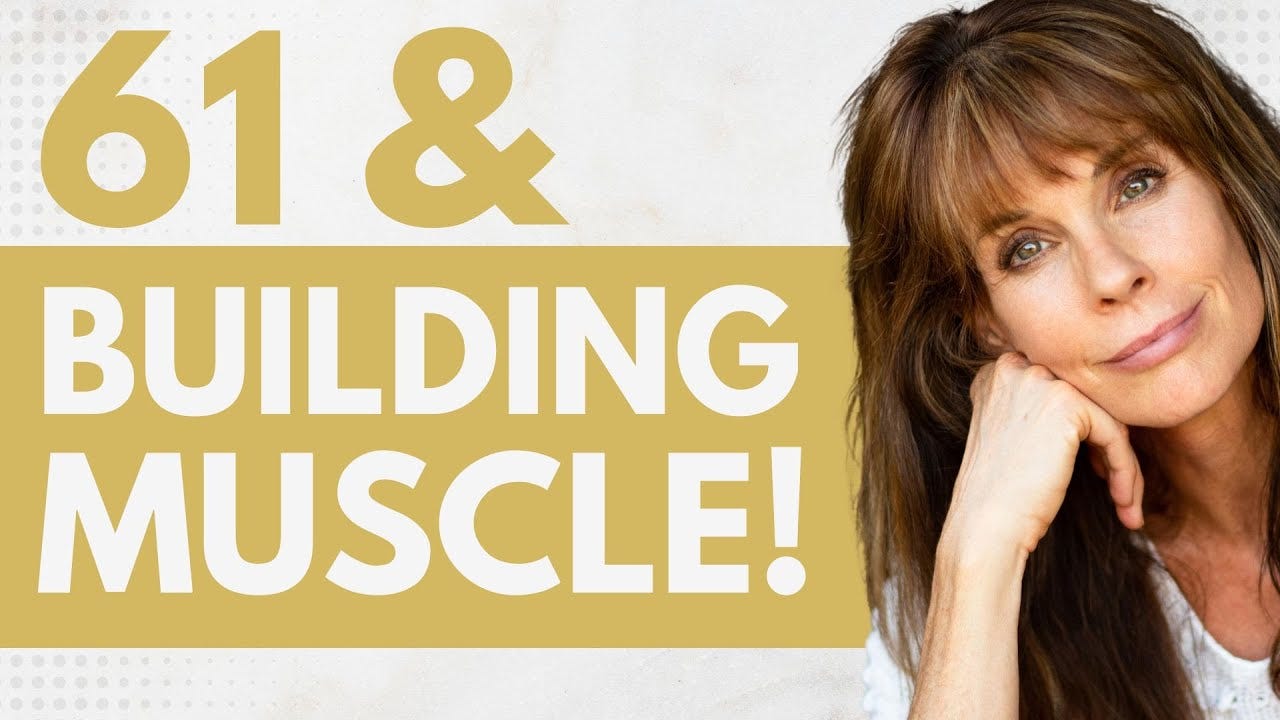
Alexandra Paul sat across from me on Zoom, getting ready to tell her story.
Former Baywatch actress. Longtime vegan. Ironman triathlete. Boston Marathon finisher. 14-mile ocean swimmer.
By most standards, she’d done everything right for her health.
Except one thing.
“I was eating sugar to the exclusion of anything healthy,” she told me. “I’d wake up in the morning and basically eat chocolate. And I wasn’t binging, but I was just eating that instead of real food.”
At 60 years old, with decades of discipline behind her, she couldn’t shake it.
She’d never been on a diet. Never joined a program. Thought she could figure it out on her own.
Until she realized she couldn’t.
The Mountain She Couldn’t Climb Alone
Here’s what most people don’t know about Alexandra.
From 16 to 28, she battled anorexia and bulimia. After becoming abstinent at 28, she spent the next three decades being “very aware of food, afraid of food.”
She exercised constantly. Maintained her weight. Did everything she thought she was supposed to do.
But the sugar? That lingered.
“I thought when I’m 40, everything will be fine. I won’t worry about food anymore.”
Didn’t happen.
“When I turned 60, I realized, Alexandra, what are you doing? When are you going to stop fooling around with this?”
That’s when something shifted.
Her sister told her: “When you’re in a rut, you have to change something. You can’t just keep going and expect change to hit you like a lightning bolt. You have to take an action.”
So she did.
She called us.
Why This Was Her First Program Ever
I asked her what made her finally reach out after all these years of trying to handle it alone.
“I remembered you because of our conversation on your podcast. And I felt that I wouldn’t be shamed for eating badly.”
Read that again.
After 40 years in Hollywood. After being on Baywatch in a bathing suit on national television. After completing an Iron Man and swimming 14 miles in the ocean.
She still felt shame about her relationship with sugar.
And she knew she needed help from someone who wouldn’t make that shame worse.
“The reason I was eating a lot of sugar,” she told me, “was that my feelings had been really hurt by my mom. And I hadn’t brought it up with her for months. So I was eating over it.”
This is what most people don’t understand about transformation.
It’s never just about the food.
The Decision That Changed Everything
“Making that step of asking for help was the first thing that changed,” Alexandra said.
Not the meal plan. Not the workouts.
The decision itself.
“I was actually excited to start. I was ready.”
Her husband supported her even though he wasn’t vegan. They got rid of the sugar in the house together. He ended up losing seven or eight pounds just from the environmental change.
But here’s what happened that surprised her:
“I have not eaten sugar since I started this program at all. None. And no processed foods either, except tofu and some crackers. That’s it.”
Five months. No sugar. No white-knuckling.
“I had my birthday. Sarah asked if I wanted cake. I said, you know what? I don’t want cake. I’m not white-knuckling at all.”
What Actually Shifted (It Wasn’t Just Physical)
The physical changes were obvious.
She leaned out. Her torso, which she’d always had self-loathing about because of surgical scars and where she stored fat, became the leanest it had been in years.
Two random guys at the gym complimented her arms.
“I said the same thing to both: Yeah, I’m lifting heavy now. I never used to lift heavy before.”
But the emotional shifts? Those were bigger.
“About a month into the program, I started talking about my pain to a couple friends. It made it dissipate. I became more resilient in life because I felt good about what I was doing.”
Then, a month ago, she finally had that conversation with her mom about her hurt feelings.
“I didn’t even have any of that emotional trigger anymore. It was a very calm conversation. I felt like I’d healed already. I didn’t even have to talk to her about it.”
That’s what happens when you stop using food to numb emotions.
You actually have to feel them. Process them. Heal them.
And then they lose their power over you.
The Training Shift Nobody Talks About
Before the program, Alexandra’s workouts centered around cardio.
An hour minimum, six days a week. Because cardio burns calories, right? That’s what she’d been taught for 50 years.
Lifting? She did it because she “thought she should.” Two to three times a week. Two sets. 15-20 reps. Never to failure.
“When I saw your program where it started at four sets and sometimes six, I was like, ‘What?’”
But she trusted the process.
And here’s what happened:
“I never missed. In fact, I even added a day because I liked it. I felt really good lifting. If I did a day where I just lifted, I still felt really good. Didn’t need the cardio.”
That internal sensation of strength? You can’t get that from cardio alone.
“There’s that feeling when you push and you get used to it and you build that mind-muscle connection... you just feel that internal strength. If you miss several days, you notice you feel achy and soft and weak.”
She gets it now.
The Lessons That Stuck
I asked Alexandra what she learned from Coach Sarah over those five months.
First thing she said: “She told me I ate like a child.”
She wasn’t wrong.
“I was just snacking and not being intentional about my food. The program really helped me be more intentional.”
She started sitting down for actual meals. Her husband was thrilled.
She slowed down when she ate. Became more aware. Actually tasted her food.
And when she mentioned she’d started chewing gum because she was anxious about something, Sarah asked: “What if you just sat with the feeling instead of chewing gum?”
Alexandra laughed when she told me this.
“It sort of hadn’t occurred to me to just feel whatever I was feeling instead of chewing gum to try and forget it.”
That’s coaching. Not just giving meal plans and workout routines. Actually helping you see the patterns you can’t see on your own.
The Frozen Blueberries Revelation
Here’s a small thing that became a big thing:
“I really like frozen blueberries now. I used to never eat fruit because I thought, ‘If I’m going to get something sweet, I’m going to have chocolate or vegan ice cream.’”
But once her taste buds changed from cutting out processed sugar?
“You really taste the sweetness in blueberries.”
Someone told her that one of the great things about frozen blueberries is you never know how sweet each one will be. That intermittent reward makes eating them exciting.
She loved that.
This is what sustainable transformation looks like. Not deprivation. Just... different.
Finding joy in a frozen blueberry instead of needing chocolate to feel satisfied.
That’s freedom.
The Road Trips and Real Life
Alexandra had to do several nine-hour drives during the program.
“I did end up snacking more than I normally would if I were home. But I didn’t eat any sugar. And all the stuff was whole food.”
When she told Sarah about it, expecting judgment, Sarah said: “Don’t worry about it. Don’t beat yourself up. Good job.”
That’s the difference between a program that sets you up to fail and one that meets you where you are.
Life happens. Long drives happen. You do your best. You don’t throw away five months of progress because one week wasn’t perfect.
“I just plan ahead,” Alexandra said. “Like you and Ivy do. When I travel, I make sure the hotel has a gym, or I find a Planet Fitness nearby. I have food with me. I don’t hope there’ll be food where I’m going.”
She learned that in Michigan last week when she got cranky waiting to find vegan food.
But she figured it out. Because that’s what you do when you have the tools.
Was It Worth It?
I always ask members if it was worth the investment.
“Oh my gosh, yes. And by the way, I’ve talked about you several times on our podcast.”
She paused.
“The way I feel now is amazing. The way I’m able to cope with taking care of my mom and living in a new place after 40 years in Los Angeles... it’s like, amazing.”
Then she said something that stuck with me:
“Before I came to the program, I was doing better than probably 90% of Americans in terms of health. But I had this one thing, this big mountain that I felt like I wasn’t overcoming. And it was really affecting my happiness.”
That mountain? The sugar addiction. The food chatter in her head. The shame.
“Mavy Wellness helped me overcome that.”
The Philosophy That Made The Difference
When I asked what helped most, Alexandra said something I didn’t expect:
“You have a clear philosophy. It’s pretty cut and dry. But you allow for humanity.”
She appreciated the meal plans in the beginning. The exact recipes. The structure.
But what really clicked was when I said in a video: “Here’s a simple way to think about it: have a block of tofu midday, a cup of beans at night, protein powder in the morning, and you should have your protein covered.”
That simplicity? That’s what made it sustainable.
“I really like your clarity of philosophy. You talk about how you can go off your plan if you want, but you’ve got to get back on the next meal.”
No perfection required. Just consistency.
That’s the whole game.
The Wisdom She’s Passing On
At the end of our conversation, I asked what advice she’d give to people considering the program or taking on their own health journey.
“Asking for help is so important. And getting support from someone who’s an expert.”
She paused.
“We all want... we’re afraid of failing. A lot of times we think we have to be... clearly I did, because I was in a pretty bad place when I called you. I could have called six months earlier.”
Then she said something I wrote down immediately:
“We often wait till we feel ‘ready’ to do it. And sometimes... that’ll take too long.”
She referenced a story I’d told about a guy who came to us needing to lose 15 pounds but said he wasn’t ready. He came back when he needed to lose 30 pounds.
“He doubled his challenge,” she said.
Don’t wait. That’s the message.
Don’t wait until you’re “ready.” Don’t wait until it’s worse. Don’t wait until you hit rock bottom.
Ask for help now.
The Tools That Last
Alexandra knows life can throw curveballs. Things happen. Stress comes. Circumstances change.
“I’m fully aware of my vulnerabilities of being able to go back. And if I do, then I just have to get back on the wagon. It happens. It’s human.”
She might eat sugar again someday. Maybe.
But she has a friend who lost 100 pounds 40 years ago by cutting out processed sugar and hasn’t touched it since.
“She told me once, ‘Well, I found I was overeating dates.’ So we all always have to be watching ourselves. We have to be aware.”
The difference now?
Alexandra has the tools. The awareness. The philosophy.
And she knows where to go if she needs support again.
The Real Transformation
Let me tell you what this story is really about.
It’s not about an actress from Baywatch losing a few pounds at 60.
It’s about a woman who spent 44 years struggling with her relationship with food finally finding peace.
It’s about someone who thought she had to white-knuckle her way through every challenge realizing there’s a different way.
It’s about discovering that asking for help isn’t weakness. It’s strength.
And it’s about learning that transformation isn’t about perfection.
It’s about doing the work. Feeling the feelings. Showing up even when it’s hard. And being kind to yourself when you mess up.
Because you will mess up.
We all do.
The question is: do you have the tools to get back on track?
Alexandra does now.
And at 61, after decades of discipline in every other area of her life, she finally has discipline around the one thing that eluded her.
Not through restriction. Not through shame. Not through willpower.
Through support. Through structure. Through a clear philosophy that allowed for her humanity.
That’s sustainable transformation.
Want to hear more transformation stories and learn the principles that help people over 50 build sustainable health? Subscribe for weekly insights on whole food plant-based nutrition, intelligent training, and the mindset shifts that make it all stick.
If you’re tired of trying to figure it out alone and ready for expert support, visit MavyWellness.com to see how we help professionals 45-75 achieve the transformation they’ve been chasing for decades.